

We have selected which desertification-combatting innovations to test.
We are delighted to announce that, in close collaboration with farmers, land managers and other community members, we have now selected 7 innovations for combatting desertification – take a look below.
This marks a major landmark in our project. We can now proceed with testing the innovations with community members across our pilot sites in Cyprus, Italy, Romania, Spain, and Tunisia.
The innovations include technical solutions to support soil health, and – at our Italian sites – social solutions to support the communities who safeguard the land.
As the project progresses, we will share our evidence on the impacts of these innovations – providing valuable information for land managers and policymakers on what works to combat desertification, where and why.
Stay tuned to follow our progress and discover the impacts of these solutions.
Selected innovations: Cyprus, Romania, Spain & Tunisia
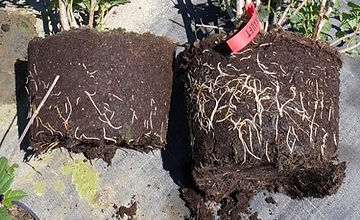
Agrobiogel
A gel made from 100% wood that mimics humus. It absorbs and stores water from rain or irrigation in the soil and then slowly releases it back to the plants during dry periods.
Where it will be tested: Cyprus, Romania, Spain, Tunisia
Agrodit
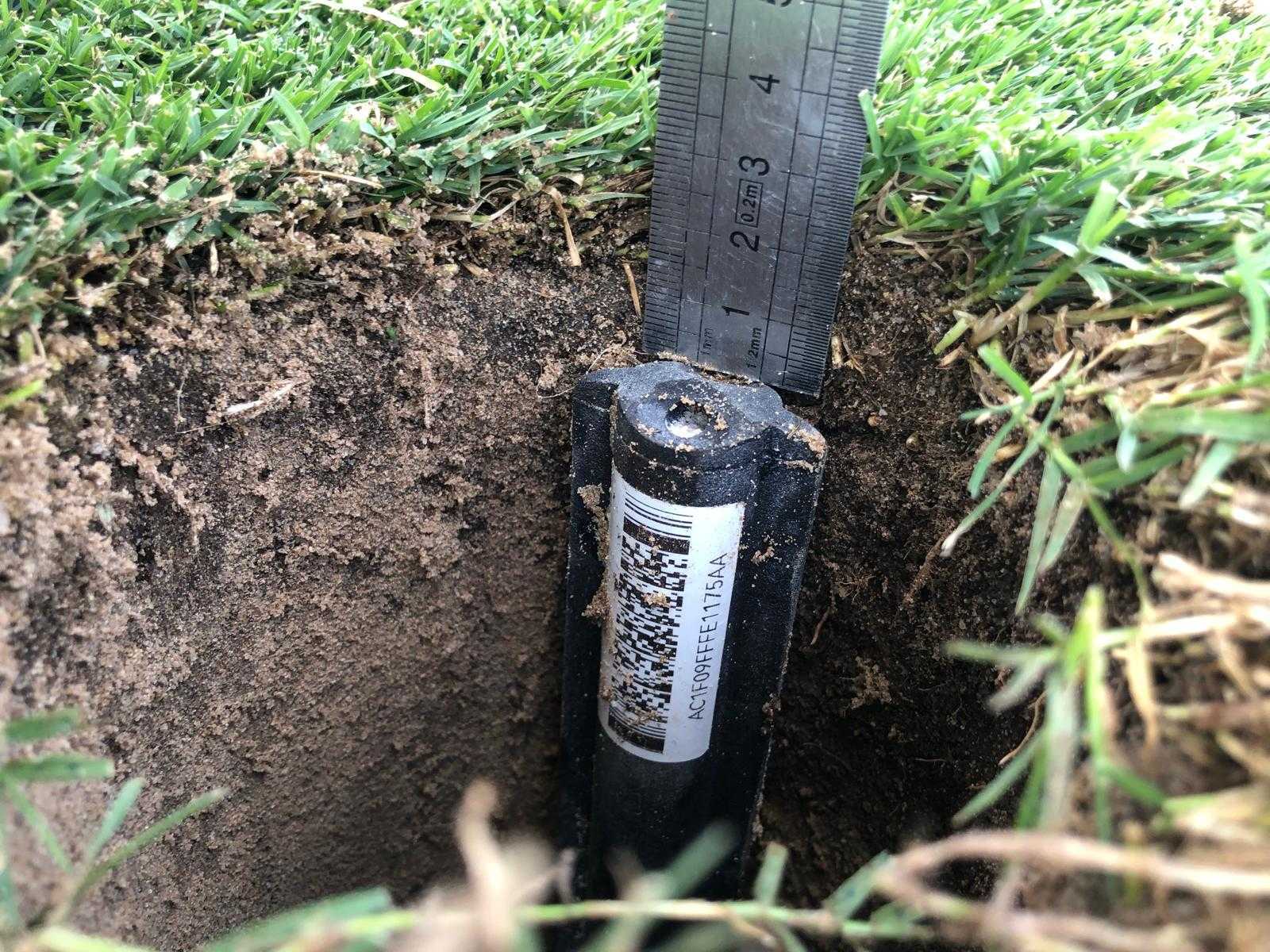
Soil sensors that provide real-time data on moisture, salinity and temperature. They allow users to respond immediately to sub-optimal environmental and soil conditions before visual symptoms appear.
Where it will be tested: Romania, Spain
CETIM
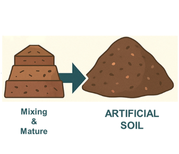
CETIM produce artificial soils made from a blend of organic and inorganic waste, designed to replicate the functions of natural soils under local conditions. They increase organic matter, improve water retention, and supply nutrients.
Where it will be tested: Tunisia
Imflorestal
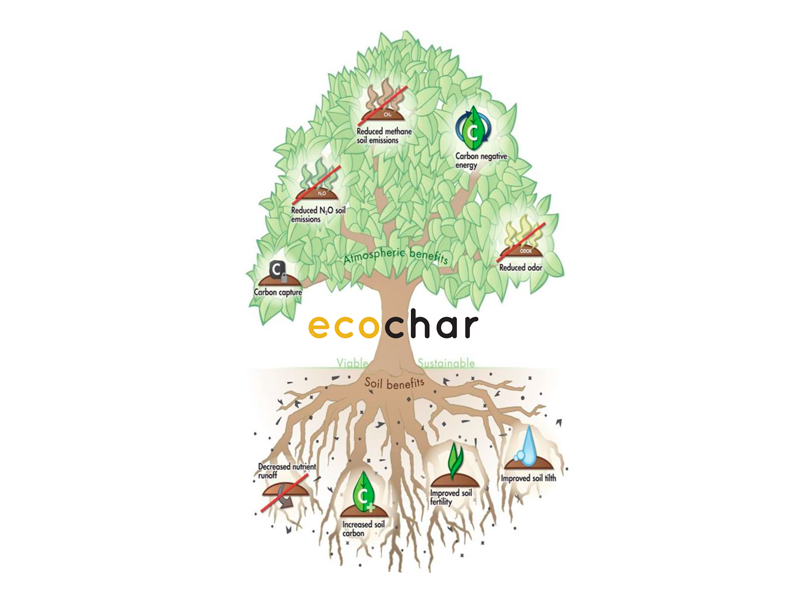
Imflorestal produce Ecochar – a biochar-compost mixture that restructures soil, adds carbon and reduces the need for reduces the need for water and fertilisers. It is inspired by “terra preta do indio”, or Indian black earth – a very fertile dark soil found in the Amazon basin.
Where it will be tested: Cyprus, Romania, Spain
ISOTECH
Compost made from green waste that has been gathered through a Circular Green Waste Management Scheme. The compost mitigates soil degradation by mimicking litter/humus, and aims to be much more affordable than standard composts.
Where it will be tested: Cyprus, Tunisia
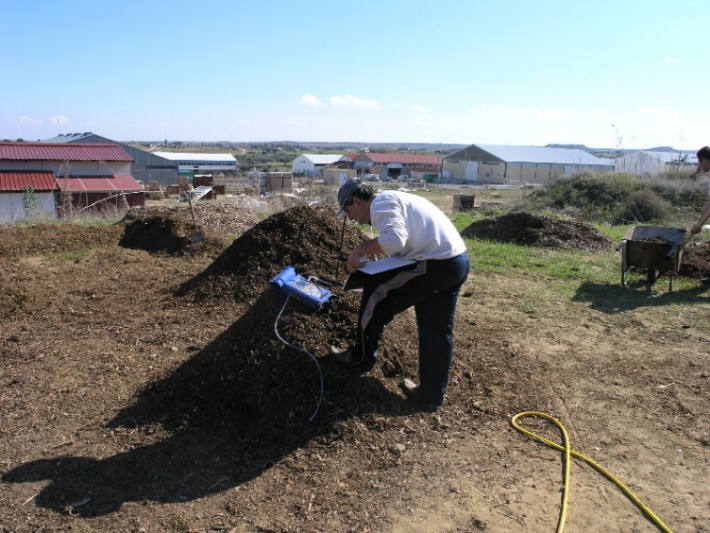
Selected innovations: Italy
Desertification at our sites in Italy is driven by depopulation in rural areas as people flee for better opportunities in the city. [Learn more: Depopulation as a driver of desertification]
The two solutions to desertification at our Italian sites, therefore, focus on reviving rural economies and re-empowering rural communities, rather than technical solutions.
A community cooperative
The cooperative will manage essential services that would otherwise risk being abandoned. These include support for the elderly, maintenance of public spaces, and the organisation of cultural and tourism activities, as well as new entrepreneurial initiatives based on local resources.
Where it will be tested in Italy: Sele Tanagro Alburni, Salerno

Zero kilometre school canteen
A zero kilometre school canteen sources all its food from nearby famers and producers. The initiative turns school canteens into a platform for change, capable of enhancing wellbeing, renewing community identity, and boosting the value of local resources and traditions.
Where it will be tested in Italy: Montagna Materana, Basilicata

Where we test the innovations
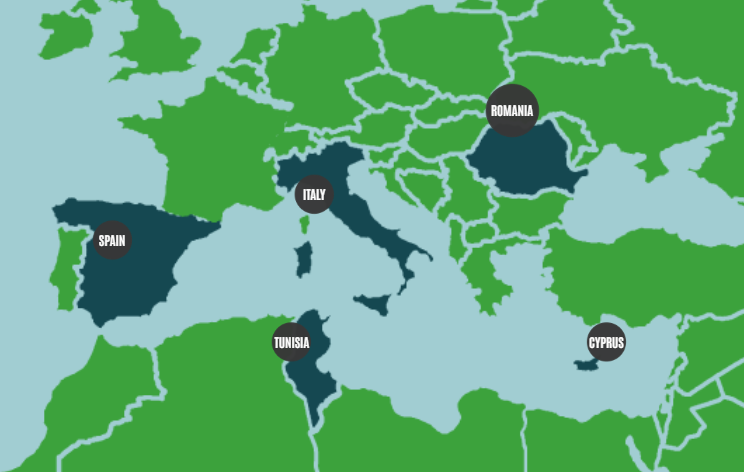
Each of the areas we’re working in faces different desertification-related challenges, and so needs different solutions to resolve these.