
Agrodit Crop guardian soil sensors and app
Agrodit sensors
Agrodit provides its users with real-time data direct from their soils, allowing them to respond to sub-optimal environmental and soil conditions before visual symptoms appear.
Many agronomists install Agrodit sensors at the start of each crop cycle to track moisture, salinity and temperature throughout the growing season. The sensors stay in place throughout the crop cycle, with users receiving alerts when soil or plant stress occurs.

This innovation is being tested in Romania and Spain.

Agrodit – aromatics
An internal integrated antenna is used in grassy areas such as golf courses. Here, the sensor is buried to keep it hidden from view. Even after being buried, Agrodit sensors can reach communication distances of 2km with this method.
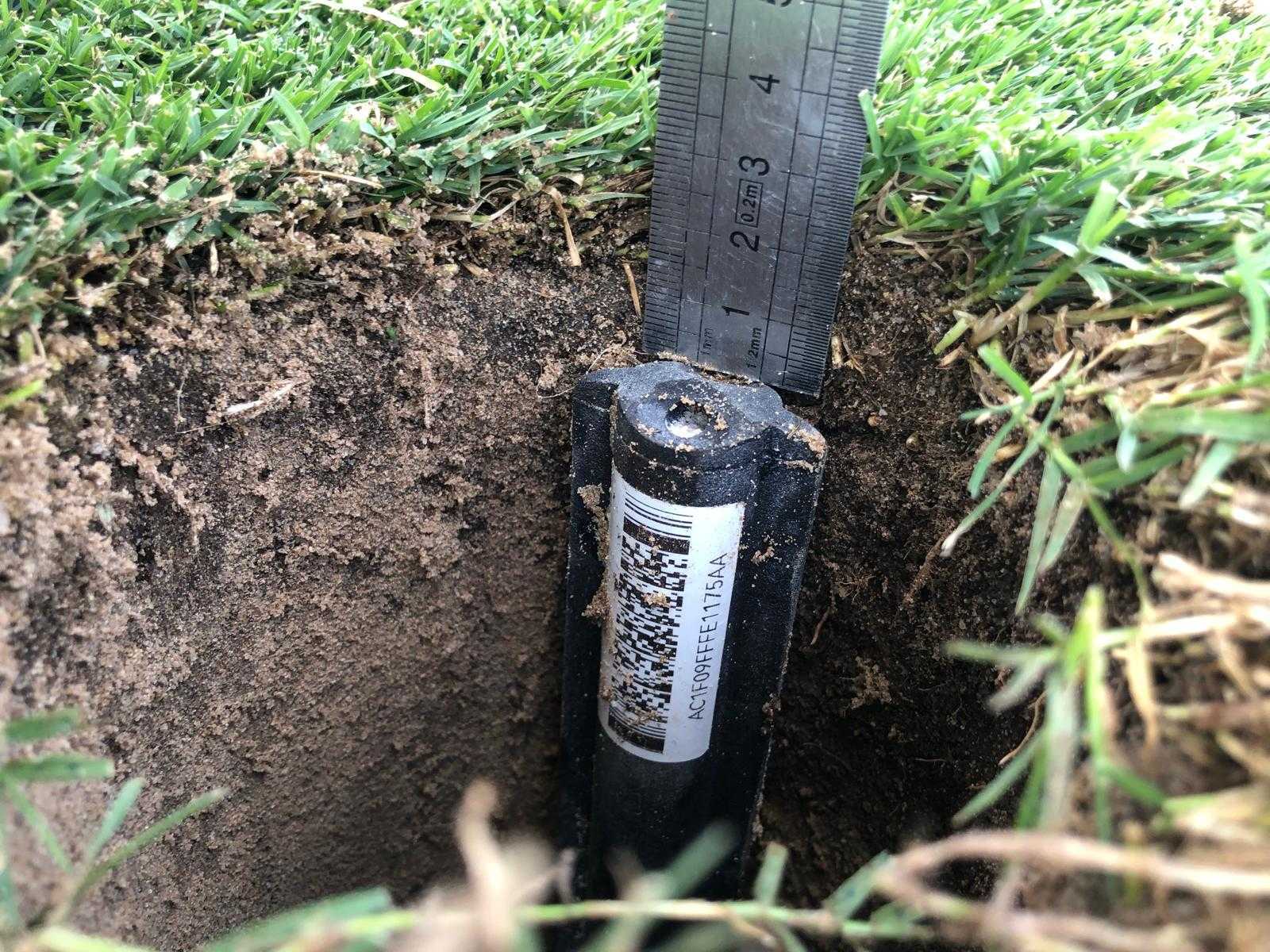
Agrodit turf field
An internal integrated antenna is used in grassy areas such as golf courses. Here, the sensor is buried to keep it hidden from view. Even after being buried, Agrodit sensors can reach communication distances of 2km with this method.
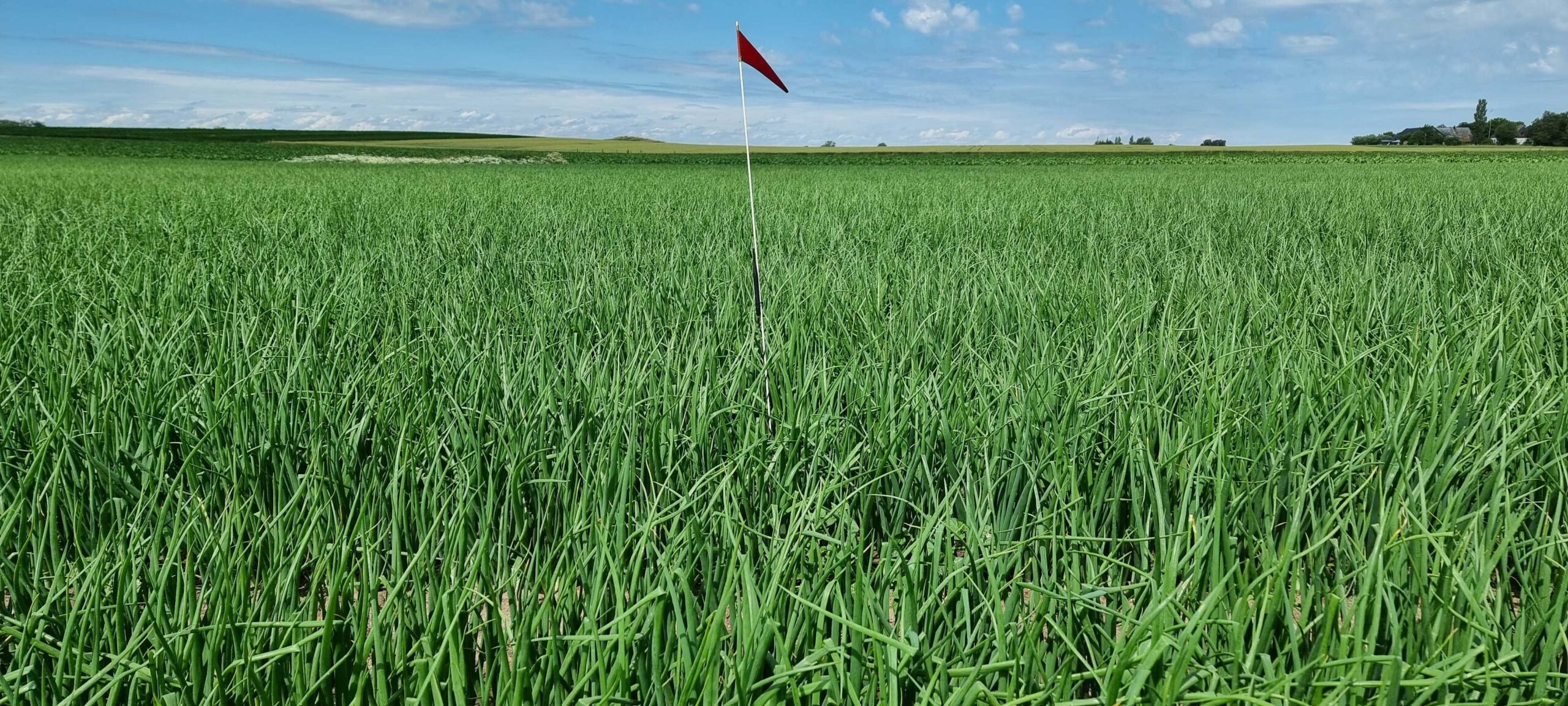
Agrodit in an onion field
Agrodit are currently working with the biggest onion producer from Sweden, who is based in the south part called Skåne. In this area, the soil is quite sandy compared to other regions which affects the water retention and the need of active irrigation during summer period. Agrodit plays an important role determining the best moment for irrigation and avoiding wilting point to be reached while reducing the amount of water spent. For these types of crops, an external antenna is used that the farmer attaches to a location flag, allowing wireless communication distances of up to 10km.
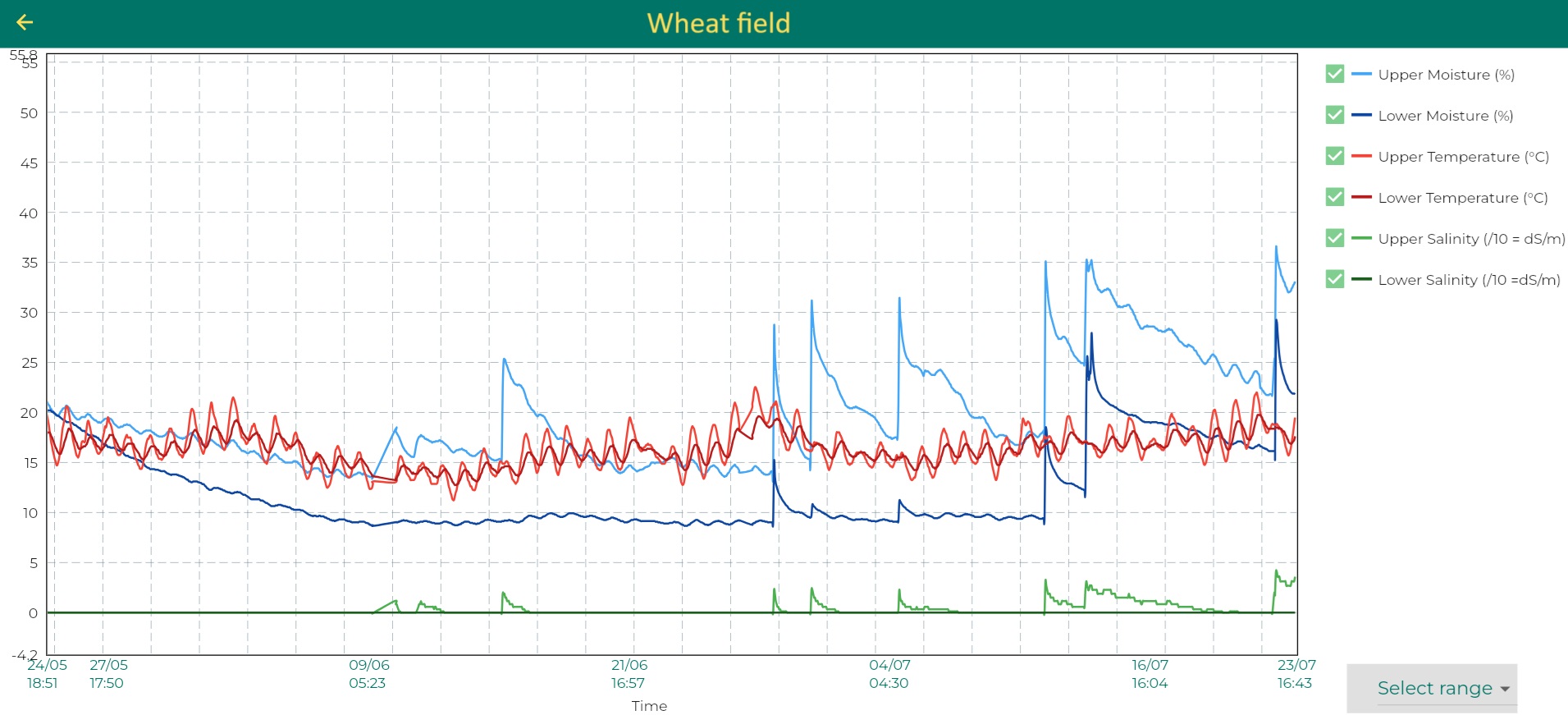
Agrodit wheat field
This is an example of the Agrodit dashboard. The data is shown in a time chart where is easy to visualize temporal changes in all variables measured by the sensor. The moisture from different depths can be compared to understand how temperature or water intake from the plants affects how the moisture reaches deeper layers in the soil. This way, its possible to increase/decrease volume of following irrigations accordingly.
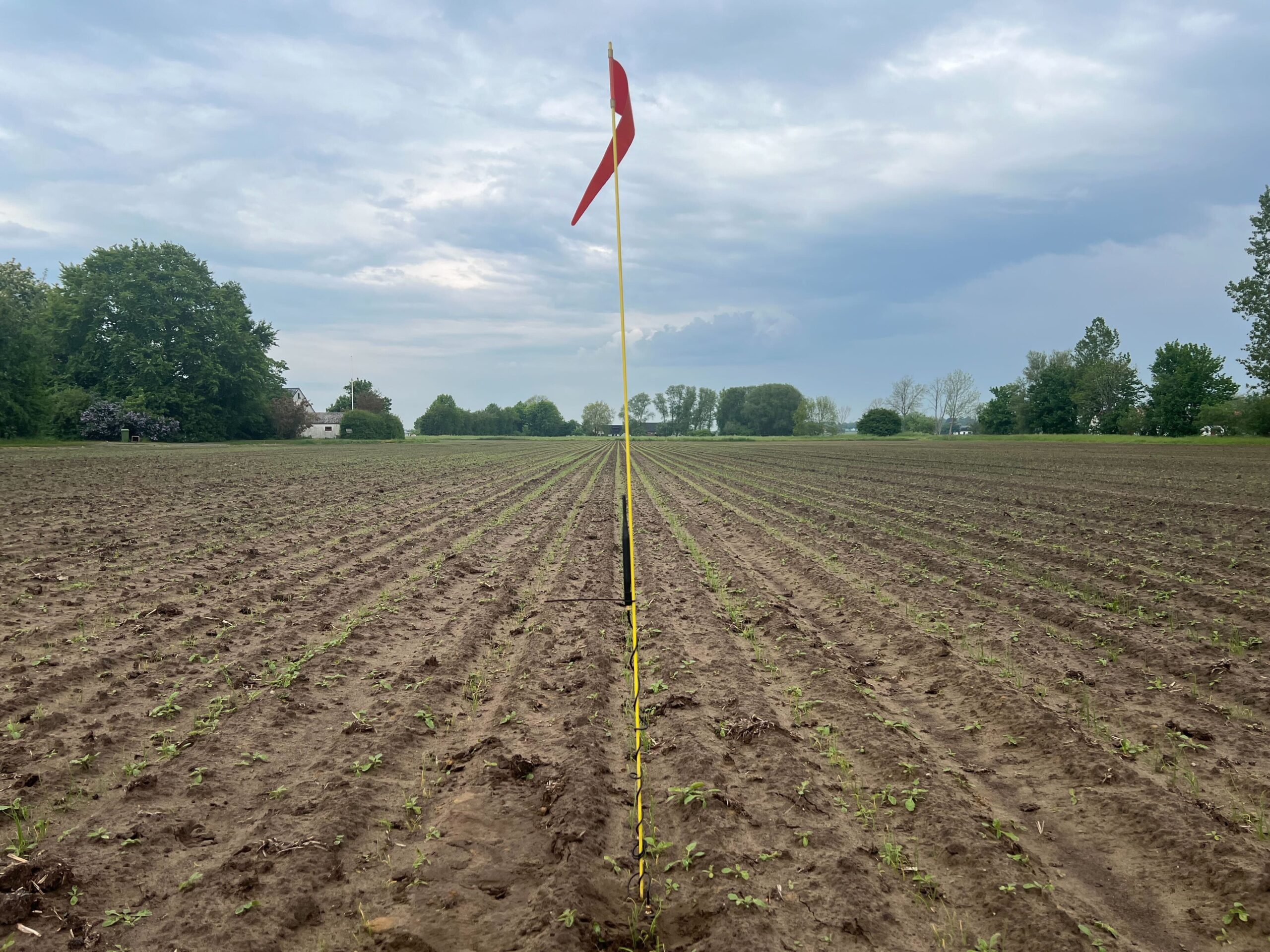
Agrodit onion field
Agrodit are currently working with the biggest onion producer from Sweden, who is based in the south part called Skåne. In this area, the soil is quite sandy compared to other regions which affects the water retention and the need of active irrigation during summer period. Agrodit plays an important role determining the best moment for irrigation and avoiding wilting point to be reached while reducing the amount of water spent. For these types of crops, an external antenna is used that the farmer attaches to a location flag, allowing wireless communication distances of up to 10km.
View some of our latest news!
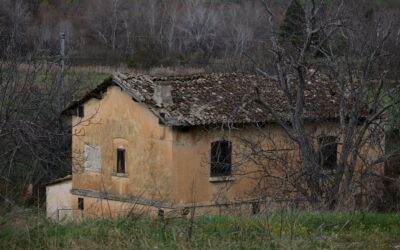
First TERRASAFE paper explores how communities make sense of rural depopulation
The study contributes new insights into the social dimensions of land degradation and desertification.
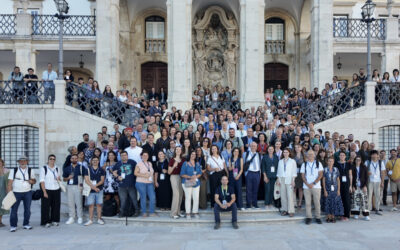
TERRASAFE shares desertification research at Soils for Europe conference
Bringing together more than 500 researchers, policymakers and practitioners, the conference provided a platform to discuss the latest advances in soil research across Europe and to foster new collaborations and actions in support of healthy soils.

Our latest TERRASAFE newsletter is out
In this edition, we go behind the scenes of ongoing work across Europe and North Africa, from emerging field insights to new research on land degradation. Highlights… Interview with Mark Schauer, Economics of Land Degradation We interviewed Mark Schauer,...