
Terrasafe Romania Pilot Area

Location of Pilot Area
The pilot area is in Dolj County, Romania, located in the southwest of the Oltenia region within the Romanian Plain. Dolj’s capital is Craiova, and the county is built around the lower course of the River Jiu. Covering 7,414 km², Dolj represents 3.1% of Romania’s total area, making it the 7th largest administrative unit in the country.
The pilot area lead for Romania is Vlad Crisan (INCDS).

Geographical Context
Dolj County is part of a steppe zone with hot summers, very cold winters, and moderate but insufficient rainfall. It lies in a temperate climate zone with Mediterranean influences, featuring an annual average temperature of 10-11.5°C. The land is predominantly flat, with elevations ranging from 30 to 350 meters above sea level. The county includes the Danube meadow area, plains, and hills, forming a wide amphitheater-like landscape. The southern part of Dolj has the largest sandy surface in Romania, making it highly susceptible to desertification.

TERRASAFE
Romania Pilot Area;
> key stakeholders
> factors affecting desertification
> Combatting Desertification
> Tested Innovations
> Key Stakeholders
The stakeholders in Dolj include local residents, private forest owners, and public forest managers. Public forests are managed by the Romanian National Forests Administration (Romsilva – RNP) through local forest administrations. TERRASAFE aims to engage with both agricultural and forest landowners, especially those with and without forest shelter-belts, as these are crucial for desertification resilience.
> Factors Affecting
Desertification
Desertification in Dolj is driven by several factors:
- Increasingly arid climate with high temperatures and low precipitation.
- Loss of vegetation, leading to soil erosion, depletion of organic matter, and reduced soil water retention.
- Soil properties, which can contribute to soil salinization under these harsh conditions.
> Combatting Desertification
Traditional reforestation is the primary method used to combat desertification. TERRASAFE will compare these traditional techniques with proposed innovations to evaluate their effectiveness in enhancing vegetation cover and preventing soil degradation. Promoting modern and innovative strategies, such as ecological crops, advanced technologies, and new genotypes, can provide supplementary income for local communities and positively impact the fight against desertification.
> Tested Innovations
The innovations that will be tested in this Pilot Area are:
Agrobiogel – A gel made from 100% wood that mimics humus. It absorbs and stores water from rain or irrigation in the soil and then slowly releases it back to the plants during dry periods.
Agrodit – Soil sensors that provide real-time data on moisture, salinity and temperature. They allow users to respond immediately to sub-optimal environmental and soil conditions before visual symptoms appear.
Imflorestal produce Ecochar – a biochar-compost mixture that restructures soil, adds carbon and reduces the need for reduces the need for water and fertilisers. It is inspired by “terra preta do indio”, or Indian black earth – a very fertile dark soil found in the Amazon basin.
Polymer-based hydrogels (e.g. Zeba) are increasingly used by Forest Management Units and afforestation companies have sought to improve the survival rate of young seedlings.
The traditional method involves planting seedlings as they are delivered from the nursery, without prior treatments to them or to the soil.


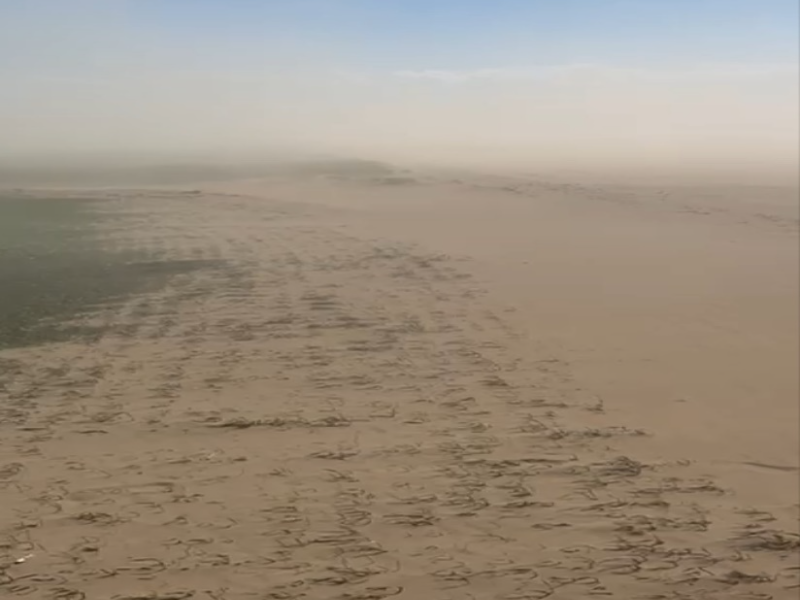


Relevant information Links about desertification in Romania
Romanian Publications
> “Sahara Olteniei”.
www.ecomagazin.ro (in Romanian). 29 December 2009. Retrieved 16 July 2016.
> “Sahara Olteniei, deșertul apărut pe 100.000 de hectare în sudul României, se extinde într-un ritm alarmant”
(in Romanian).
> “Cum arată astăzi Sahara Olteniei, deșertul apărut pe 100.000 de hectare în sudul României”
(in Romanian)
> https://reporter24.ro/desertificarea-olteniei-cum-se-produce-si-cum-poate-fi-stopata/
(in Romanian)
Global Publications
> https://en.wikipedia.org/wiki/Oltenian_Sahara
> Jump up to
Moldoveanu, Ioana (7 October 2019).
> “Southern Romania Is Being Swallowed By Desert”. > Vice.
Retrieved 17 February 2021
> https://www.youtube.com/watch?v=dTp93DFICEc
> RG POPA, 2018, DESERTIFICATION-A MASS PHENOMENON THAT CONTRIBUTES TO SOIL DEGRADATION
Fiability & Durability/Fiabilitate si Durabilitate, 2018
search.ebscohost.com
> L Stringer, 2008, Can the UN Convention to Combat Desertification guide sustainable use of the world’s soils?
Frontiers in Ecology and the Environment, 2008
Wiley Online Library
View some of our latest news!
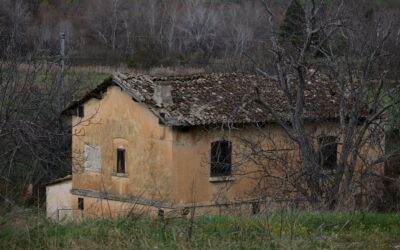
First TERRASAFE paper explores how communities make sense of rural depopulation
The study contributes new insights into the social dimensions of land degradation and desertification.
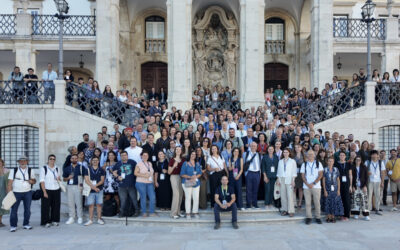
TERRASAFE shares desertification research at Soils for Europe conference
Bringing together more than 500 researchers, policymakers and practitioners, the conference provided a platform to discuss the latest advances in soil research across Europe and to foster new collaborations and actions in support of healthy soils.

Our latest TERRASAFE newsletter is out
In this edition, we go behind the scenes of ongoing work across Europe and North Africa, from emerging field insights to new research on land degradation. Highlights… Interview with Mark Schauer, Economics of Land Degradation We interviewed Mark Schauer,...