
Isotech Symbiotic circular green waste management

About ISOTECH Ltd
ISOTECH Ltd, an SME based in Nicosia, Cyprus, has been a leader in environmental consulting and research since 1991. The firm has played a significant role as a technical consultant to Cypriot authorities, contributing to the development of critical policies such as the Cypriot Circular Economy Action Plan and the National Organic Waste Management Scheme.
ISOTECH has been in the field of composting for 30 years, conducting research and gaining practical experience in co-composting green waste with various organic substrates, based on their availability (seasonality, quality, quantity, etc.). ISOTECH has also designed and manufactured an in-vessel rotating composter.


Symbiotic Circular Green Waste Management Scheme
ISOTECH’s solution is a Symbiotic Circular Green Waste Management Scheme for Compost Production and Application in Agricultural land aiming to mitigate soil degradation. It is targeted for rural and remote areas with less than 5,000t n/year of green waste (parks and garden waste and agricultural pruning).
The Scheme’s governance model is based on shared economy: It is owned by all key actors in the compost value chain, from waste producers to waste management, to compost end-users and it is managed by a local NGO, representing the interests of all stakeholders, under the supervision of Local Authorities. Local farmers are co-owners and members of the Scheme and pay an annual subscription fee. They provide the Scheme with green waste and take back a part of the produced compost for free. The services offered to farmers- members of the Scheme- include waste collection from their fields, compost production and compost application to their land. Local Authorities, co-owners of the Scheme, are also providing financial resources based on a set fee per capita. Additional earnings from national agro-environmental measures (e.g. compost subsidies) further secure sustainability and growth of the Scheme.
This innovation is being tested in Cyprus and Tunisia.
The Scheme is designed to produce compost with a cost less than €20/m3 by:
- Using Shared infrastructure: Use of new or existing equipment by several users for different purposes (e.g. tractor used for collection of waste and windrow turning). The equipment is owned by farmers or Local Authorities and becomes available through a shared platform.
- Utilizing existing and available resources (e.g., Local Authorities’ personnel and crew)
- Locally constructed/modified equipment/tools such as windrow turner and compost screener to minimise capital and maintenance costs.
- Local compost facility, minimising operational and logistic costs.
The Scheme produces high quality compost by:
- Seasonal mapping of green waste, collection, storage and mixing/co-composting different substrates, including animal manure, to ensure high quality compost production.
- Monitoring of compost quality.
- Ability to adjust qualitative characteristics of compost based on intended specific application/crops.
View some of our latest news!
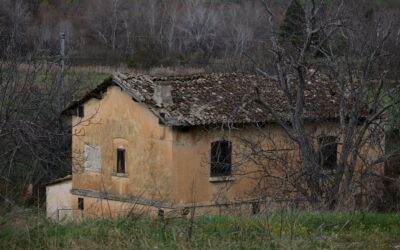
First TERRASAFE paper explores how communities make sense of rural depopulation
The study contributes new insights into the social dimensions of land degradation and desertification.
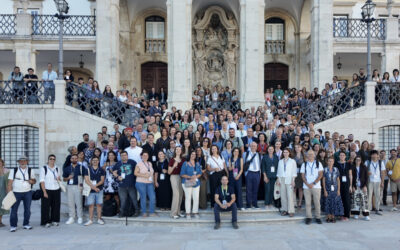
TERRASAFE shares desertification research at Soils for Europe conference
Bringing together more than 500 researchers, policymakers and practitioners, the conference provided a platform to discuss the latest advances in soil research across Europe and to foster new collaborations and actions in support of healthy soils.

Our latest TERRASAFE newsletter is out
In this edition, we go behind the scenes of ongoing work across Europe and North Africa, from emerging field insights to new research on land degradation. Highlights… Interview with Mark Schauer, Economics of Land Degradation We interviewed Mark Schauer,...