
Terrasafe Tunisia Pilot Area

Location of Pilot Area
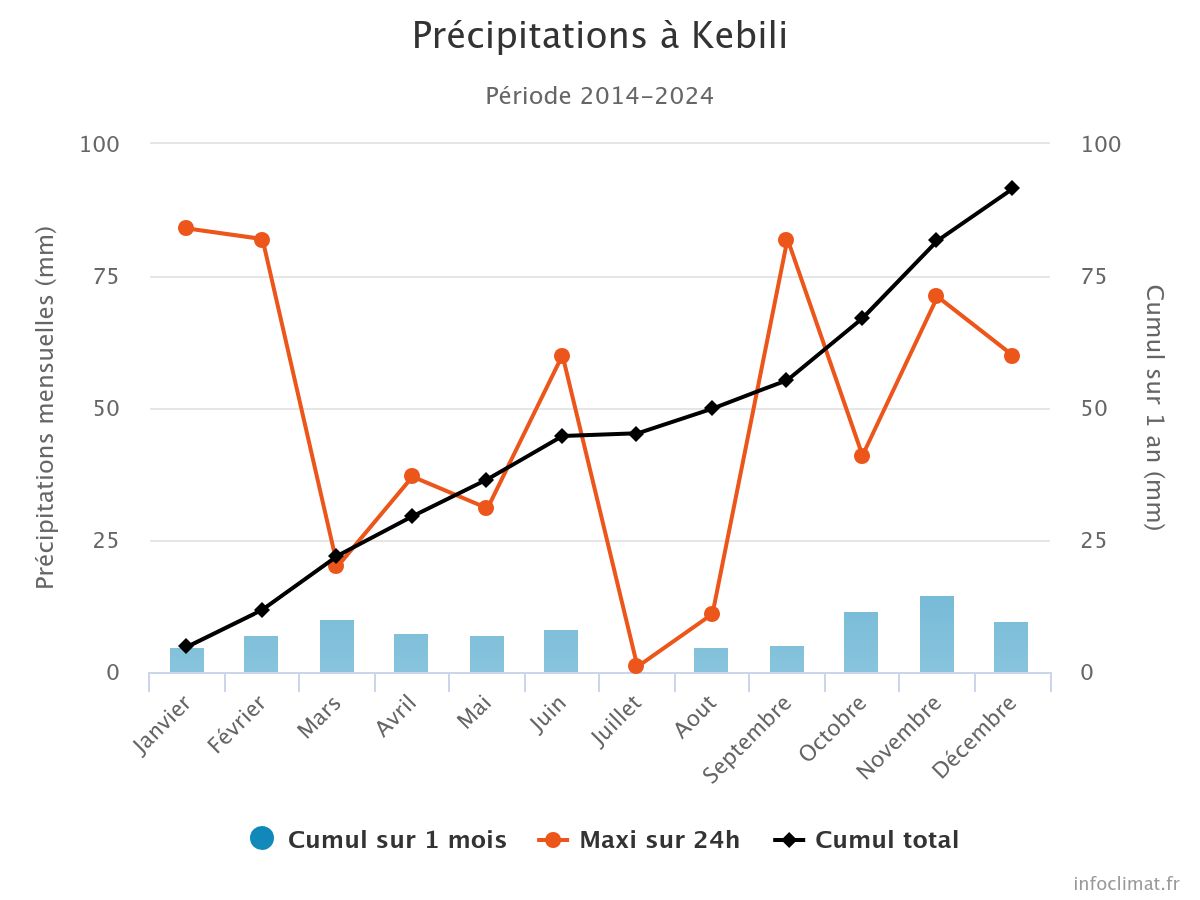
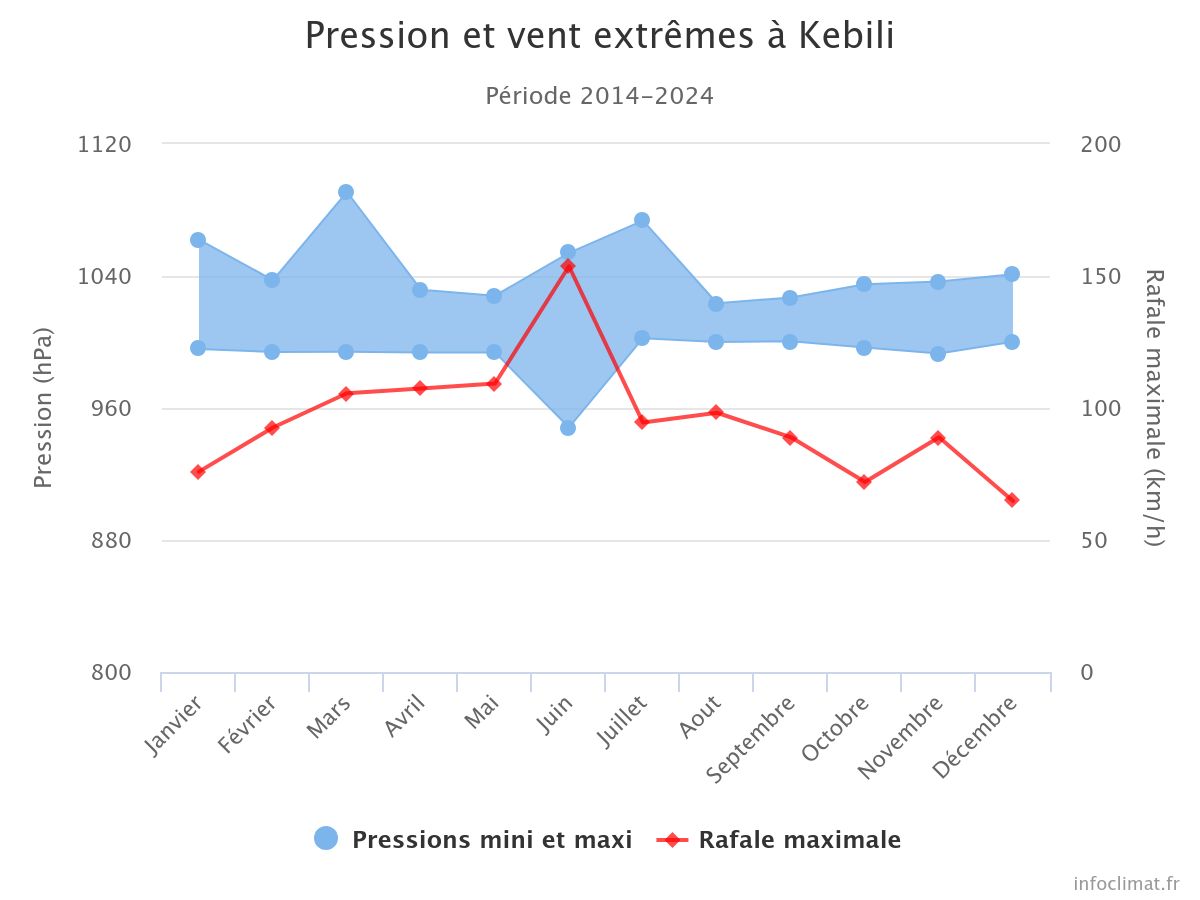
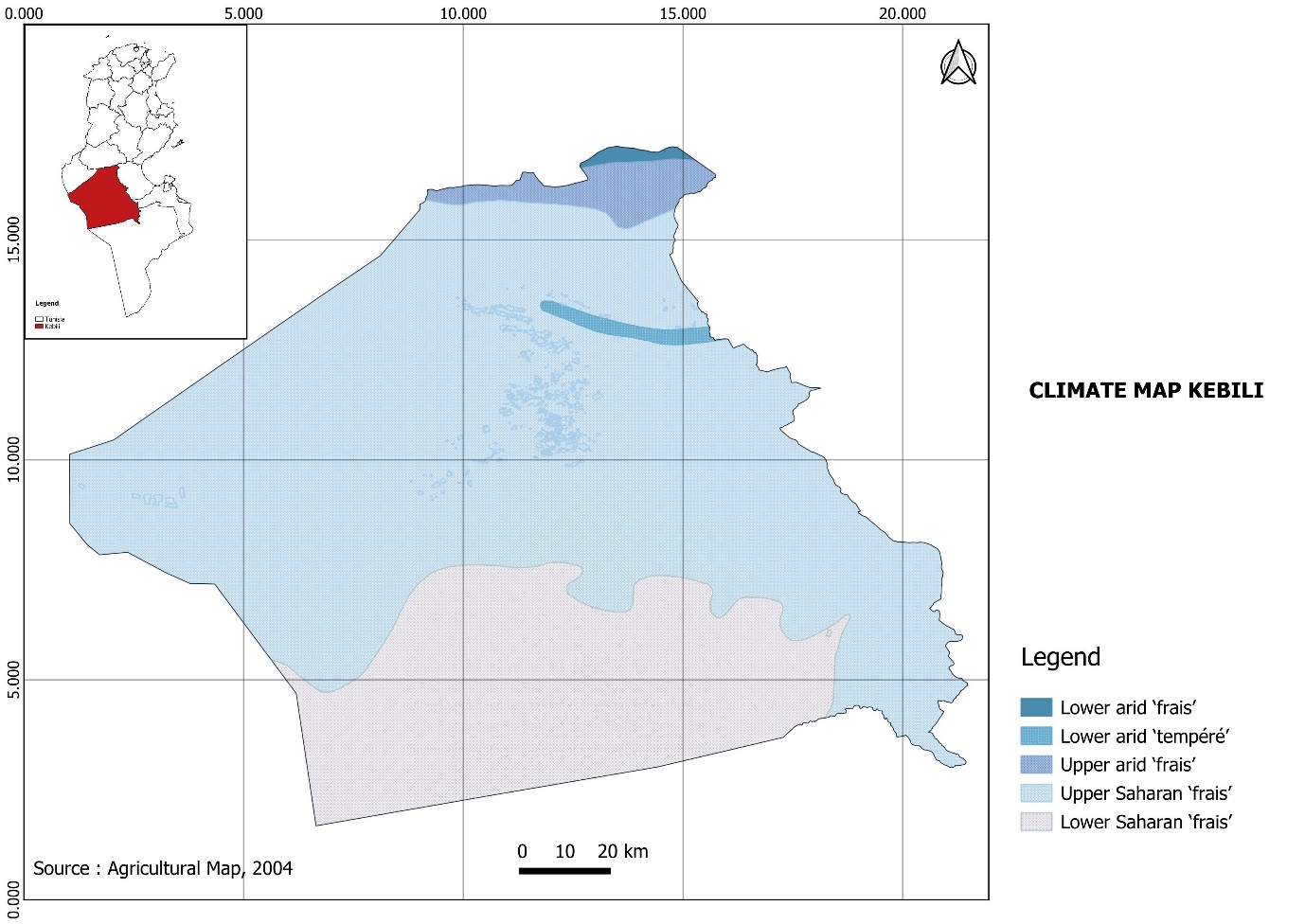
The Nefzaoua region belongs to the south-western part of Tunisia. It covers an area of approximately 22,450 km2, bounded to the north by the Chott el Fejej mountain range, and to the west by the Chott el Jerid. The Grand Erg Oriental, which forms the northern limit of the Sahara, borders the region on the south. Climatically, the Nefzaoua region belongs to the Saharan zone. The climate gradually changes from semi-desert in the north, around Chott El Jerid, to desert in the centre and extreme south of the region (Figure 1).

Figure 1. Pilot Area: Map of Kebili, southern Tunisia. Source: Google Satellite Imagery & OpenStreetMap.
Geographical Context
Located in the eastern sector of the transition zone between the Saharan domain and the Atlas domain, the Nefzaoua region stands out from similar regions in the Maghreb by the importance of the contrasts and the great diversity of relief forms. The topography of the region is generally sloping from the east to the west of the El bhaier region towards the chott of Djérid, in fact we have identified the northern part of the delegation of souk Lahad which manifests itself by a very significant slope (greater than 15 degrees).
Generally, the oasis’s agricultural system divided into three levels, with the first level, mainly devoted to vegetable and fodder crops (mainly barley), the second to a fruit tree, and the third to date palm cultivation. In the oasis of Nefzaoua date palm (Phoenix dactyllifera) is the principal crop grown, and it play an essential role in feeding the population and the local economy. In terms of fodder crops, barley is the primary agronomic resource most suited to the arid conditions of Tunisia’s southern area, which are characterized by low rainfall amount and high evapotranspiration rate.
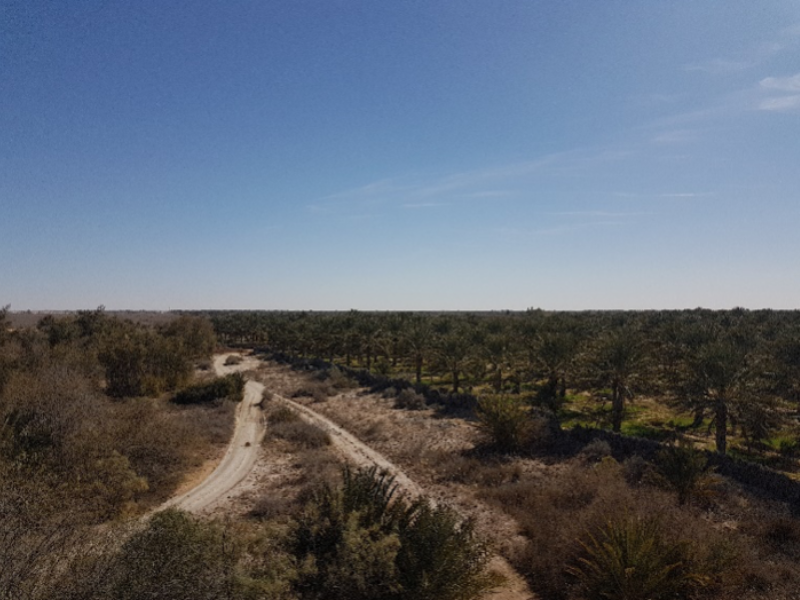
In the oasis agro-system, salinization and hydromorphy are the principal degradation factors that negatively affect the soils. These two processes are the result of the rise of the water table caused by the overdose of irrigations. To counteract soil degradation and restore field productivity, the oasis farmers turn to use sandy and manure amendments.

Figure 2. Soil affected by hydromorphy
Irrigation in oases has been a major problem since ancient times because of water scarcity and the low irrigation frequency, especially during hot seasons. The use of the groundwater resources Intercalary Continental (IC) and Terminal Complex (TC) guarantees a sufficient permanent water supply during drying periods. Nevertheless, the continued use of these deep charged and non renewable waters can affect the properties of the soil and agricultural production.
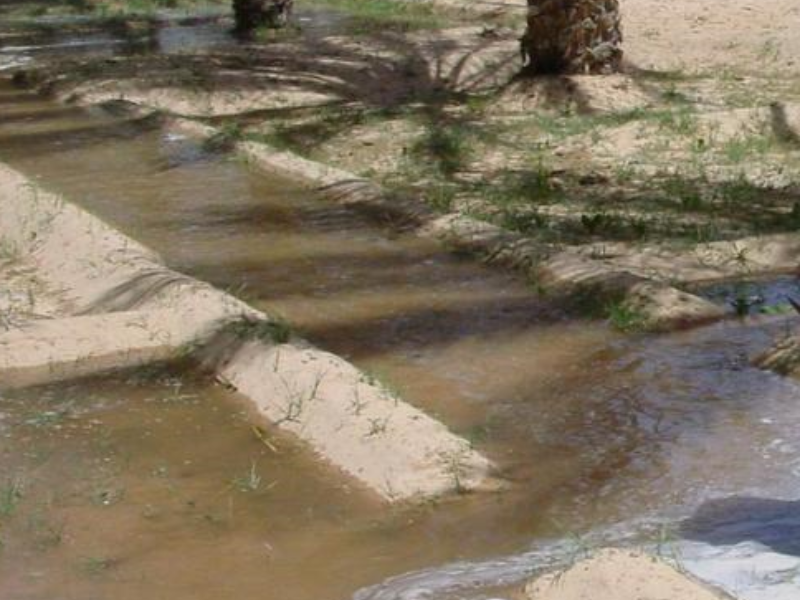
The irrigation method in the oases is the “water tower” defined as the time between two successive irrigations. The duration of the water tower in the oasis of Nefzaoua is long and poses water stress for the different crops especially during the hot seasons.

Figure 3. Water Irrigation system in oases
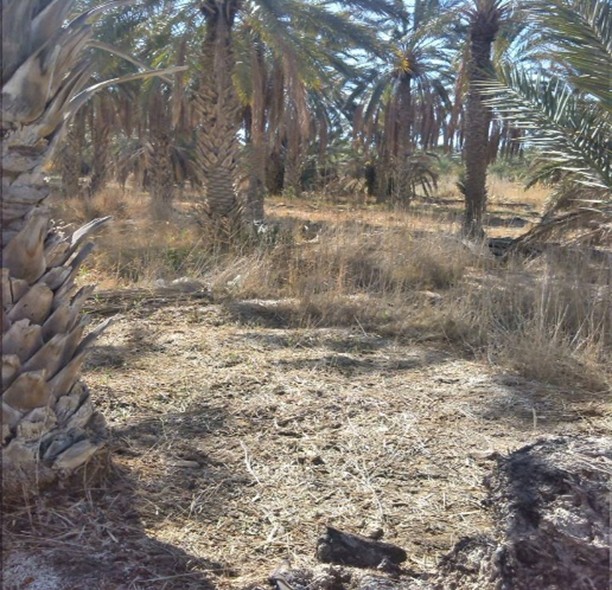
In order to reduce soil salinity, and replace the degraded soil by a healthy fertile soil with high water retention, different amendments in oases has become a common practice in southern Tunisia.

Figure 4. Soil Amendment in the oases of Nefzaoua
Key Elements on Soil and Water Conservation, Agriculture, and Land Use in Kebili Governorate, Tunisia
Given the harsh climate conditions endured by this pilot area, intensive agriculture practices are limited to specific areas, totalling approximately 40 000 ha, mainly around natural springs, or boreholes, known as the oasis system.

TERRASAFE
Tunisia Pilot Area;
> Land Use
> key stakeholders
> Key Challenges and
Opportunities in Kebili
Pilot Area
> Main Drivers of Land Use
Changes in The Kebili
> Regional Action Programme
> Combatting Desertification
> Tested Innovations
> Land Use
The oases of Kebili are renowned for their unique agricultural practices adapted to the arid desert environment. Here is an overview of typical agricultural types and practices in the Kebili oases:
Cultivation of date palms
- Main crop: Date palms, particularly the Deglet Nour variety, dominate oasis agriculture.
- Irrigation: Traditional irrigation systems, such as seguias (surface canals), are used to manage limited water resources.
- Planting density: Palm trees are often planted at varying densities to optimize the use of land and water resources.
Intercropping
- Underlying Crops: Under date palms, farmers grow a variety of underlying crops, including fruits (pomegranates, figs), vegetables (tomatoes, peppers), and forage plants (alfalfa).
- Microclimate Creation: Date palms create a microclimate providing shade and reducing evaporation, which allows these crops to grow.
Livestock Integration
- Mixed farming: Livestock, such as sheep and goats, are integrated into the agricultural system, providing manure for fertilization and benefiting from crop residues and natural vegetation.
> Key Stakeholders
Stakeholders in this pilot area include: Regional/local Authorities (Governorate, Counties, etc), Regional Department of Agriculture (CRDA), Office for the Development of Regim Maatoug (ODRM), Technical Centre of Dates (CTD), Regional Farmer Union (URAP), Agricultural Investment Agency (APIA) , Agricultural Development Groupings (GDAs), Mutual Companies for Agricultural Services (SMSAs), NGOs
> Key Challenges and Opportunities
in Kebili Pilot Area
The main challenges related to natural resources management, land and water conservation, desertification and drought, and sustainable development in the Kebili governorate of Tunisia are:
Land Degradation:
- Wind erosion: Strong winds carry sand particles, eroding the soil surface and reducing its fertility.
- Salinization: Irrigation with salt water or increasing salty water table levels can increase soil salinity, making it difficult to grow many plants.
Loss of Biodiversity:
- Reduced vegetation: Decreased rainfall and soil degradation reduce vegetation cover, further worsening erosion and desertification.
- Endangered species: Native plants and animals that depend on oasis ecosystems are threatened by habitat degradation.
Unsustainable Agricultural Practices:
- Monoculture: Over-reliance on a single crop, such as date palms, can deplete soil nutrients and make the agricultural system vulnerable to diseases and pests.
- Excessive use of chemical fertilizers: The use of chemicals can degrade soil quality and contaminate water resources.
- Recurring social unrest in the region is disrupting the extraction of natural resources.
- Ineffective governance and regulatory frameworks contribute to persistent structural problems related to natural resource management.
- Irrigation water quality degradation and continued overexploitation of groundwater threaten the sustainability of oasis agriculture.
Overexploitation of Groundwater Resources:
- Rapid development of illegal irrigation wells has accelerated the degradation of groundwater resources in the region.
- Groundwater resources are facing serious quantity and quality degradation, as they are the only source used for irrigation in the oases.
- Actors have identified overexploitation of groundwater as the main threat to the sustainability of agriculture in the Kebili region.
- Limited fresh water sources, which are rare and dwindling, making irrigation of crops increasingly difficult.
- Excessive pumping of groundwater for agriculture and drinking water leads to the depletion of aquifers and salinization of soils.
1 natural resource-related country analysis Tunisia
2 Oasis Extension Trajectories in Kebili Territory
Hydromorphy:
In oases, hydromorphy is often associated with holomorphy given that the irrigation water is salty. These two forms of oasis soil degradation are caused by a rise in the water table caused by:
- The absence or poor functioning of the drainage network. In fact, the drainage network in the oases is made up of open ditches suffering from the phenomenon of boiling and poor maintenance.
- Poor external drainage caused by insufficient slopes for effective evacuation of drainage water.
- The excess of irrigation doses, particularly in winter, could be schematized by a simple emptying of water from deep aquifers into the groundwater table.
Environmental Degradation:
- Landscape changes driven by illegal irrigation well development have led to improved date palm production but also accelerated groundwater degradation.
- Environmental issues including groundwater overexploitation, soil salinization, and biodiversity loss are major concerns in the region.
- Oil and brine contamination of the Continental Intercalaire aquifer in the region poses risks to groundwater quality.
Regional Disparities and Socioeconomic Challenges:
- Tunisia suffers from immense regional disparities between coastal areas and southern landlocked regions like Kebili.
- Chronic unemployment, elevated poverty levels, and low quality of life are prevalent in the region.
- Paradoxically, regions with the most natural resources tend to be the most economically deprived.
Addressing these challenges will require a multi-stakeholder dialogue to identify actions towards sustainable use of natural resources, while also tackling complex socioeconomic issues and regional disparities. Effective natural resource management in Kebili is crucial for the region’s future sustainability.
4 Assessment of natural resources in Tunisian Oases degradation of irrigation water quality
> Main Drivers of Land Use Changes in The Kebili
Expansion of Date Palm Plantations:
Since the 1970s, Kebili has undergone significant territorial changes due to the rapid expansion of date palm plantations. This expansion has been driven by a combined effect of environmental, socio-economic and institutional factors.
Illegal Irrigation and Illicit Wells:
The rapid development of extensions based on illegal irrigation using illicit wells has led to improved date palm production, but it has also accelerated the degradation of water resources in the region. The lack of regulation and control over groundwater abstraction is a major challenge.
Socio-Economic Factors:
Recurring social unrest in Kebili related to the unfair distribution of oil wealth and lack of local development has contributed to the overexploitation of groundwater resources. Regional disparities, chronic unemployment, poverty and low quality of life compared to coastal areas are driving unsustainable use of natural resources.
Institutional Setting:
The specific institutional setting in Tunisia, where farmers in extensions are de facto stakeholders that need to be involved in the discussion on sustainable use of groundwater resources, is a key driver of land use changes. Acknowledging these farmers as stakeholders is a challenge for the administration.
The expansion of date palm plantations driven by socio-economic factors, illegal irrigation using illicit wells, and the complex institutional setting are the main drivers of land use changes in the Kebili region. Addressing these drivers will require a multi-stakeholder dialogue and landscape approach to identify actions towards sustainable use of natural resources.
> Regional Action Programme on Combating Desertification in Kebili Governorate (2006)
Challenges: Five main constraints have been identified:
- 1: Serious imbalance between water resources and their use in agriculture, posing a real ecological threat to the region (risk of saltwater intrusion from the chott and risk of groundwater drying up in certain areas).
- 2: Deteriorating natural vegetation and landscape
- 4: Development dynamics based on monoculture (dates) are fragile, threatened by degradation of water and soil resources and poor marketing of degla.
- 3: The region’s soils are threatened by salinization and wind and water erosion.
- 5: The agricultural sector alone is no longer able to carry the burden of socio-economic development in the region, and other economic sectors have failed to get off the ground.
Opportunities: Three main strategic areas have been identified:
- 1: Reduce pressure on water resources and protect them,
- 2: Diversify the oasis production system and make better use of available resources,
- 3: Diversify the regional economy.
> Elements on Existing Approaches for Combatting Desertification
TERRASAFE will collaborate with IRA’s team engaged in the implementation of the PRIMA project ISFERALDA (Improving Soil FERtility in Arid and semi-arid regions using Local DAte palm residues). The project aims to convert date palm residues into organic soil amendments, improving soil quality and fertility.
The Nefzaoua oases, like all lowland oases, are never in balance with their environment, they suffer from soil degradation. To survive, they must constantly defend themselves against silting, lack of water and poor soil. Their protection can be done by several methods:
- Sandy amendment.
- Organic amendment.
- Drainage.
- Irrigation Water Management.
> Tested Innovations
The innovations that will be tested in the Pilot Area are:
Agrobiogel – A gel made from 100% wood that mimics humus. It absorbs and stores water from rain or irrigation in the soil and then slowly releases it back to the plants during dry periods.
CETIM produce artificial soils made from a blend of organic and inorganic waste, designed to replicate the functions of natural soils under local conditions. They increase organic matter, improve water retention, and supply nutrients.
ISOTECH – Compost made from green waste that has been gathered through a Circular Green Waste Management Scheme. The compost mitigates soil degradation by mimicking litter/humus, and aims to be much more affordable than standard composts.


Relevant information Links about desertification in Tunisia
Tunisian Publications
View some of our latest news!
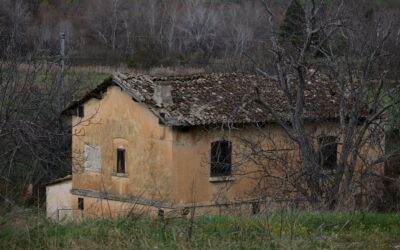
First TERRASAFE paper explores how communities make sense of rural depopulation
The study contributes new insights into the social dimensions of land degradation and desertification.
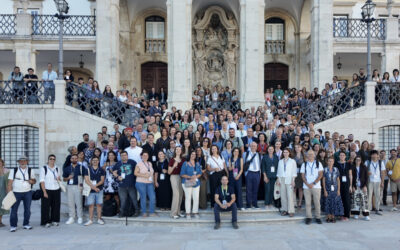
TERRASAFE shares desertification research at Soils for Europe conference
Bringing together more than 500 researchers, policymakers and practitioners, the conference provided a platform to discuss the latest advances in soil research across Europe and to foster new collaborations and actions in support of healthy soils.

Our latest TERRASAFE newsletter is out
In this edition, we go behind the scenes of ongoing work across Europe and North Africa, from emerging field insights to new research on land degradation. Highlights… Interview with Mark Schauer, Economics of Land Degradation We interviewed Mark Schauer,...