
Montagna Materana (MOMA)

Source: https://www.agenziacoesione.gov.it/strategia-nazionale-aree-interne/regione-basilicata-aree-interne/montagna-materana/
Location and Geography
MOMA is located in the Basilicata region, covering eight municipalities in the province of Matera over 645 square kilometers. The region has experienced significant depopulation, with the population declining from 26,287 in 1961 to 12,131 in 2011, and further reducing by about 20% in the last decade.
Demographics
Five of the eight municipalities have populations under 1,000. The area has a high aging index, with a significant proportion of the population over 65 years old, particularly in smaller villages like Cirigliano and Oliveto Lucano.

Graph 4. Resident population trend – Matera province
Resident population (Jan 2024)

Source: Istat (data as at 01/01/2024)
TERRASAFE
MOMA Pilot Area;
> Climate and Terrain
> Land Use
> Key stakeholders
> Challenges & Stakeholders
> Climate & Terrain
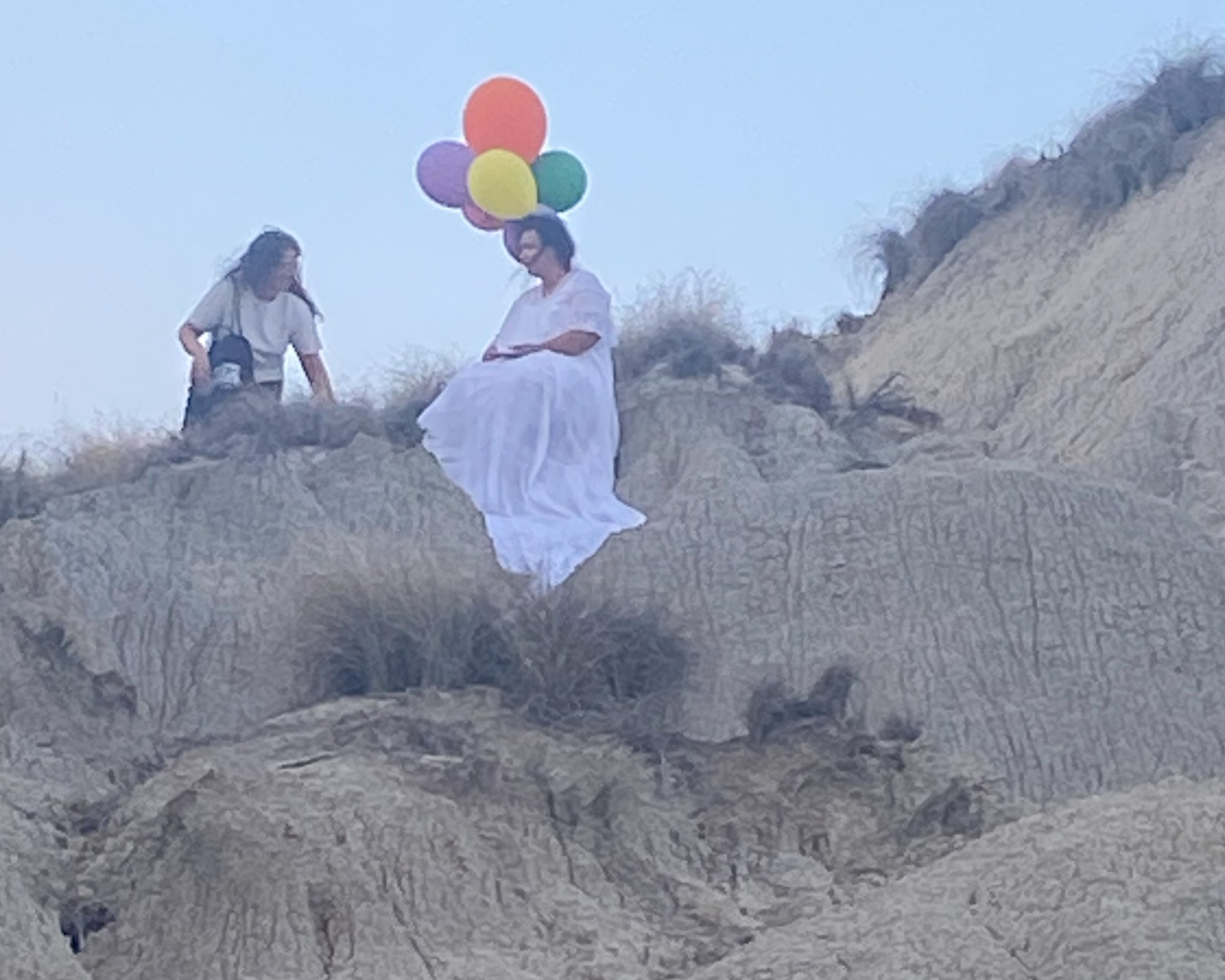
Basilicata has a varied climate with cold, foggy winters and hot, dry summers. The region includes badlands characterized by steep, erosion-prone slopes, as well as areas of woodland and mixed agricultural land. The soils in the area are diverse, including those of sandy and clayey origins.
> Land Use
Agriculture in MOMA is characterized by small average farm sizes of around 17 hectares. The main agricultural activities include arable farming, livestock pastures, and olive cultivation. The region’s landscape is a mix of cultivated land and natural vegetation, with significant areas dedicated to cereal crops and meadows.
> Challenges & Stakeholders
Key challenges include soil erosion, landslides, and poor transport services. Stakeholders include local governments, regional policymakers, cooperatives, natural parks, and local enterprises.




Existing approaches for combating desertification
The Basilicata Desertification Local Action Plan (PAL) was the first initiative to address land degradation and desertification in the region. Leveraging the 2007-2013 Rural Development Plan, the PAL focused on “Montagna Materana,” a region with severe and sometimes irreversible land degradation, especially in the east. The plan proposed measures for soil protection, sustainable water management, and territorial rebalancing, aligned with local needs and community engagement.
However, over time, the momentum of these efforts waned. Recently, the area has been designated as a SNAI Inner Area, which has brought new strategies to revitalize the mountain villages of MOMA. These strategies include promoting new businesses to protect agricultural heritage and enhancing production and marketing of local products like wheat, truffles, and pistachios. Support for these initiatives includes improving the road and water networks vital for agriculture.
Additionally, efforts are being made to develop a wood supply chain, capitalize on the area’s extensive forests, and establish a shepherding school given the high numbers of sheep and goats.
Recognizing that agriculture alone cannot revitalize the region, the Strategy also aims to revive traditional activities and boost employment by promoting tourism. This involves creating cultural and leisure circuits to attract visitors and reposition lesser-known destinations in the Matera Mountains. To address the shortage of accommodations, the Strategy plans to implement collective management to increase available beds.
Education and training are also key components, with improvements targeted at schools and adult education through territorial labs and cultural centers aimed at enhancing employability and basic skills.
Lastly, the Strategy focuses on health and wellbeing, proposing an integrated assistance network for the most vulnerable and improving mobility through better roads and new public transport services.
View some of our latest news!
First TERRASAFE paper explores how communities make sense of rural depopulation
The study contributes new insights into the social dimensions of land degradation and desertification.
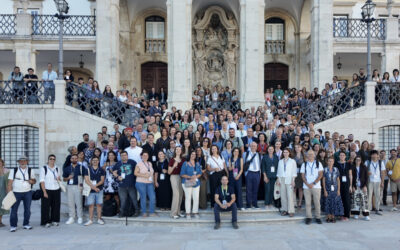
TERRASAFE shares desertification research at Soils for Europe conference
Bringing together more than 500 researchers, policymakers and practitioners, the conference provided a platform to discuss the latest advances in soil research across Europe and to foster new collaborations and actions in support of healthy soils.

Our latest TERRASAFE newsletter is out
In this edition, we go behind the scenes of ongoing work across Europe and North Africa, from emerging field insights to new research on land degradation. Highlights… Interview with Mark Schauer, Economics of Land Degradation We interviewed Mark Schauer,...