
Sele Tanagro and Alburni (SETA)

Figure 1: Location of the 19 municipalities in the area
Location and Geography
The SETA area spans 784.87 square kilometers, encompassing 19 municipalities in the province of Salerno, Campania. The terrain consists of 25.6% plains (below 300 meters above sea level), 69.8% hills (below 700 meters), and 5.65% mountains (above 700 meters). The area is largely under hydrogeological constraint and includes parts of several protected natural areas like the Cilento and Vallo di Diano National Park.
Demographics
With a total population of 55,372, the majority of residents live in municipalities situated above 300 meters above sea level. With the sole exception of the municipality of Campagna, the area is made up of small municipalities that do not exceed the threshold of 5,000 inhabitants. Over the last decade, the area has seen a population decrease of 6.5%, with some municipalities experiencing depopulation rates as high as 20%. The population is aging, with 24% of inhabitants over 65 years old, which is higher than the provincial average. This demographic shift is driven by younger families moving to urban centers for better services and opportunities, leaving behind an aging population and a declining local economy.

Graph 1. Resident population trend – Salerno Province
TERRASAFE
SETA Pilot Area;
> Climate and Terrain
> Land Use
> Key stakeholders
> Challenges & Stakeholders
> Strategies Against Desertification
> Climate & Terrain
The SETA area has a Mediterranean climate with warm, dry summers and wet, mild winters. Annual precipitation varies between 700 and 2000 mm. The terrain includes the Apennine mountain range, low-altitude hills, alluvial valleys, and a coastal plain. The mountains are primarily limestone and dolostone, while the hills consist of terrigenous bedrock, and the coastal plain is made up of sandy deposits.
> Land Use
Agriculture is a significant part of the economy, with 29,248 hectares of Utilised Agricultural Area (UAA). The main agricultural products include olive oil, which has obtained PDO recognition, cereals, and fodder. However, the number of farms has declined by 22% since 2010, and there is a lack of innovation and market integration, leading to high rates of land abandonment.
> Challenges & Stakeholders
Key challenges include soil erosion, poor connectivity, and inadequate services for both elderly and young populations. Stakeholders involved in addressing these issues include farmers, local governments, community organizations, and regional policymakers.
> Strategies Against
desertification
The area has been selected as an “Inner Area” by the National Strategy for Inner Areas (SNAI), with strategies focusing on health, education, agriculture, mobility, tourism, and the environment. Efforts are being made to create partnerships and adopt multi-actor approaches to revitalize the area and combat desertification.


Existing approaches for combating desertification
he SETA area has been selected as a “Inner Area” by the SNAI and the approved Strategy is currently being implemented. The Strategy has as its main objective the definition and implementation of smart measures, identified through a scouting activity and with participatory methods (the area has considerable experience in building territorial partnerships and adopting multi-actor approaches, among others: Patto Territoriale Sele-Tanagro, PIT Antica Volcei, Piani Integrati Agricoli, Distretto Rurale del Buon Vivere: Cibo, Acqua e Salute (DIRAS), Distretto del Cibo, GAL Tanagro, GAL I Sentieri del Buon Vivere, PIT “Filiera Termale”, Fondazione Musei Integrati dell’Ambiente, Fondazione San Francesco d’Assisi, Distretto Sanitario no.64 Eboli-Buccino, Destinazione Sud Network, Contratto d’Area del Cratere) that will act on the main sectors of Health; Education and Training; Agriculture; Mobility and Transport; Tourism; Environment and Natural Resources in order to build a new territorial dimension capable of responding to the needs of its citizens and attracting visitors and tourists.
View some of our latest news!
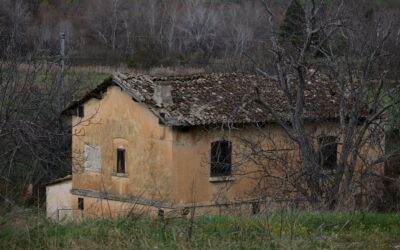
First TERRASAFE paper explores how communities make sense of rural depopulation
The study contributes new insights into the social dimensions of land degradation and desertification.
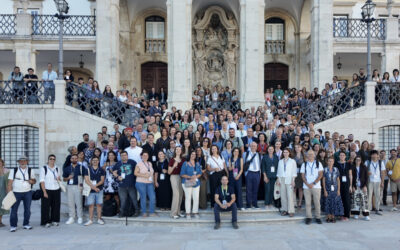
TERRASAFE shares desertification research at Soils for Europe conference
Bringing together more than 500 researchers, policymakers and practitioners, the conference provided a platform to discuss the latest advances in soil research across Europe and to foster new collaborations and actions in support of healthy soils.

Our latest TERRASAFE newsletter is out
In this edition, we go behind the scenes of ongoing work across Europe and North Africa, from emerging field insights to new research on land degradation. Highlights… Interview with Mark Schauer, Economics of Land Degradation We interviewed Mark Schauer,...