
CETIM: Artificial tailor-made soil
CETIM (Centro Tecnológico de Investigación Multisectorial)
Founded in 2011, CETIM is a leading technological centre dedicated to meeting the innovation needs of both industry and public administration. As a recognised scientific partner, CETIM creates value through research and the development of advanced technologies. Its work centres on applying knowledge and science to deliver cross-sector solutions for a sustainable future.
With a strong focus on circular economy and sustainability, CETIM’s expertise lies in three key areas: eco-bio technologies, advanced materials, and digital industry.

Role in TERRASAFE
Within the TERRASAFE project, CETIM is developing artificial soils. These artificial soils are customised blends of organic and inorganic waste materials designed to replicate the functions of natural soils under local conditions.
These innovative soils help restore degraded land by increasing organic matter, improving water retention, and supplying essential nutrients. Over time, they not only boost agricultural productivity but also reduce dependence on irrigation and synthetic fertilisers, contributing to a resilient and sustainable circular economy.
This innovation is being tested in Tunisia.

View some of our latest news!
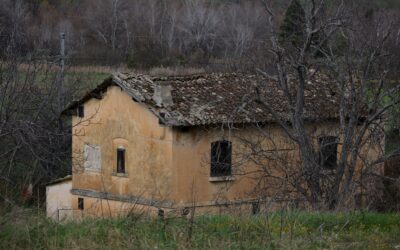
First TERRASAFE paper explores how communities make sense of rural depopulation
The study contributes new insights into the social dimensions of land degradation and desertification.
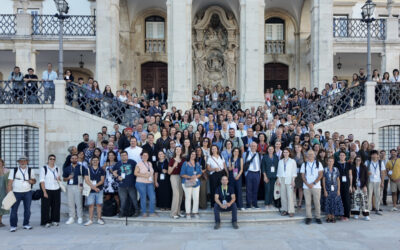
TERRASAFE shares desertification research at Soils for Europe conference
Bringing together more than 500 researchers, policymakers and practitioners, the conference provided a platform to discuss the latest advances in soil research across Europe and to foster new collaborations and actions in support of healthy soils.

Our latest TERRASAFE newsletter is out
In this edition, we go behind the scenes of ongoing work across Europe and North Africa, from emerging field insights to new research on land degradation. Highlights… Interview with Mark Schauer, Economics of Land Degradation We interviewed Mark Schauer,...